- Separate pain from damage
- Keep moving within tolerance
- Strengthen the surrounding system
Mobility and injury-prevention content is educational and should support, not replace, qualified assessment when pain or symptoms persist.
Separate pain from damage
Pain is a signal, not always a precise damage report. Sharp, radiating, worsening, or neurological symptoms deserve medical attention. But mild stiffness or discomfort often improves with graded movement. Avoid catastrophizing and focus on what movements are currently tolerable.
Keep moving within tolerance
Walking, gentle hip hinges, breathing drills, and modified strength work can maintain confidence. Use pain as feedback. If symptoms rise significantly during or after a movement, reduce range, load, speed, or choose another option. The target is tolerable progress.
Strengthen the surrounding system
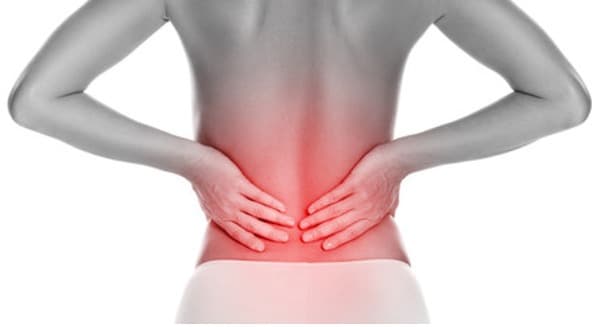
The lower back is influenced by hips, trunk, hamstrings, glutes, and overall workload. Split squats, carries, rows, dead bugs, side planks, hip thrusts, and controlled hinges can all help when appropriately scaled. There is no single magic exercise.
Manage workload spikes
Back flare-ups often follow sudden increases in lifting, sitting, running, stress, poor sleep, or unfamiliar tasks. Review the week before symptoms appeared. The answer is often not one bad rep but too much total stress too quickly.
Know when to get assessed
Seek qualified care if pain follows trauma, includes numbness or weakness, affects bladder or bowel control, worsens at night, or does not improve with sensible modification. Coaching and clinical care can work together when symptoms need more support.
How to apply this in the next 7 days
Identify the movement or workload that usually triggers symptoms.
Reduce range, load, or volume while keeping pain-free activity in the week.
Add controlled strength through the range you can own.
Seek professional guidance when symptoms change gait, daily life, or keep returning.
Coach checklist
- Warm up gradually instead of jumping into heavy or fast work cold.
- Avoid changing exercise, volume, intensity, and equipment all in the same week.
- Use discomfort as information, not as a test of toughness.
- Build capacity with consistent submaximal work before chasing intensity.
FAQ
Is soreness the same as injury?
No. Normal soreness usually fades and does not change movement. Sharp, worsening, or radiating pain deserves caution.
Should I stretch every day?
Stretching can help, but strength and workload management usually matter more for long-term capacity.
When should I see a clinician?
Get assessed if pain affects daily life, changes movement, includes numbness, or keeps returning.
References
- World Health Organization. Guidelines on physical activity and sedentary behaviour. https://www.who.int/publications/i/item/9789240015128
- American College of Sports Medicine. Progression models in resistance training for healthy adults. https://pubmed.ncbi.nlm.nih.gov/19204579/