- Start with skill before load
- Use progressive overload carefully
- A practical weekly structure
Training advice is built around progressive overload, stable technique, recovery, and a plan that fits real weekly schedules.
Start with skill before load
The first month should feel almost too controlled. Choose exercises you can repeat with the same range of motion every set: squat or leg press, hip hinge or Romanian deadlift, push, pull, loaded carry, and trunk work. Leave two or three reps in reserve on most sets. The goal is not to prove toughness; it is to build a movement library that can be loaded for years. A simple full body plan three days per week beats a complicated split that you cannot recover from.
Use progressive overload carefully
Progression means doing a little more useful work over time. For beginners, that can be one extra rep, a cleaner tempo, a slightly heavier dumbbell, or one more set on a key lift. Keep the increases small and track them in a notebook or app. If your form changes to finish the set, the load is no longer productive. The best beginner programs make progress visible without turning every workout into a max test.
A practical weekly structure
Train full body on Monday, Wednesday, and Friday or any schedule with at least one rest day between sessions. Each session can include five movements: squat pattern, hinge pattern, upper push, upper pull, and core or carry. Start with two sets of eight to twelve reps, then move to three sets as recovery improves. Warm up with five minutes of easy cardio, then two lighter practice sets for the first two lifts.
Recovery makes the plan work
Beginners often underestimate sleep, protein, and rest days because soreness feels like proof. Soreness is not the target. Performance, consistency, and confidence are better signals. Eat protein at each meal, hydrate, and keep steps moderate on rest days. If your reps drop for two sessions in a row, reduce volume for a week instead of forcing more work into a tired body.
When to ask for coaching
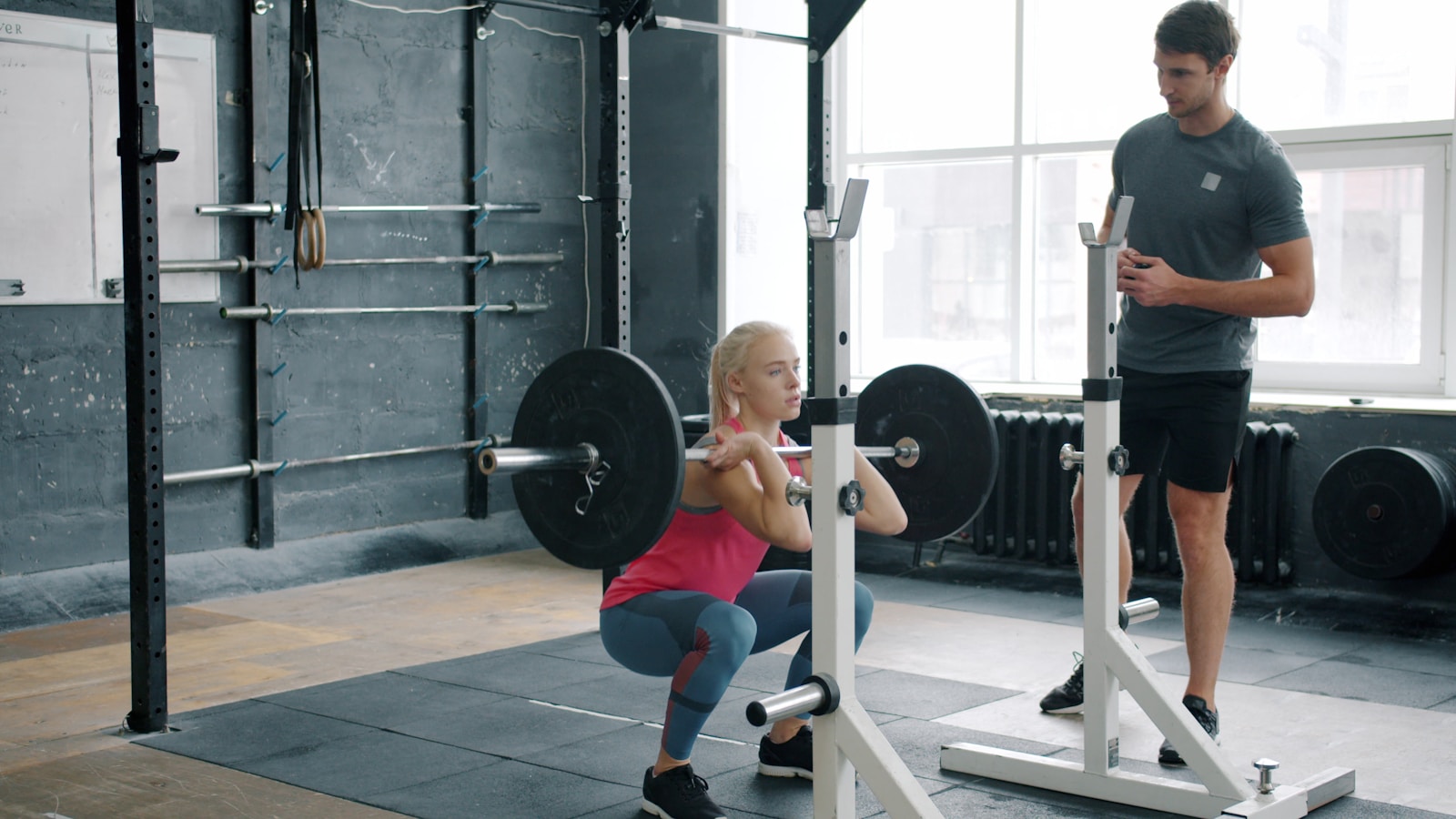
Get coaching when a lift causes sharp pain, when you cannot tell whether your technique is stable, or when you are stuck for several weeks despite good sleep and nutrition. A coach can simplify exercise selection, correct setup, and make progression objective. That early correction saves months of guessing.
How to apply this in the next 7 days
Choose the smallest weekly schedule you can repeat for four weeks.
Track sets, reps, load, effort, and one recovery marker after each session.
Increase only one variable at a time: reps, load, sets, or session density.
Review progress every Sunday and adjust the next week before motivation becomes the plan.
Coach checklist
- Warm up the exact movement patterns you will train.
- Keep most working sets one to three reps away from technical failure.
- Stop or regress any movement that creates sharp, radiating, or worsening pain.
- Use photos, measurements, and performance logs instead of relying on feelings alone.
FAQ
How many days per week should I train?
Most people progress well with three to four focused sessions per week when the plan is consistent and recoverable.
Should I change exercises often?
Keep the main patterns stable for four to six weeks so technique and progression can be measured.
What if I miss a session?
Do the next planned session and keep the week moving. One missed workout should not become a full reset.
References
- World Health Organization. Guidelines on physical activity and sedentary behaviour. https://www.who.int/publications/i/item/9789240015128
- American College of Sports Medicine. Progression models in resistance training for healthy adults. https://pubmed.ncbi.nlm.nih.gov/19204579/
- International Society of Sports Nutrition. Position stand: protein and exercise. https://jissn.biomedcentral.com/articles/10.1186/s12970-017-0177-8
- Morton RW, et al. Protein supplementation and resistance training meta-analysis. https://pubmed.ncbi.nlm.nih.gov/28698222/