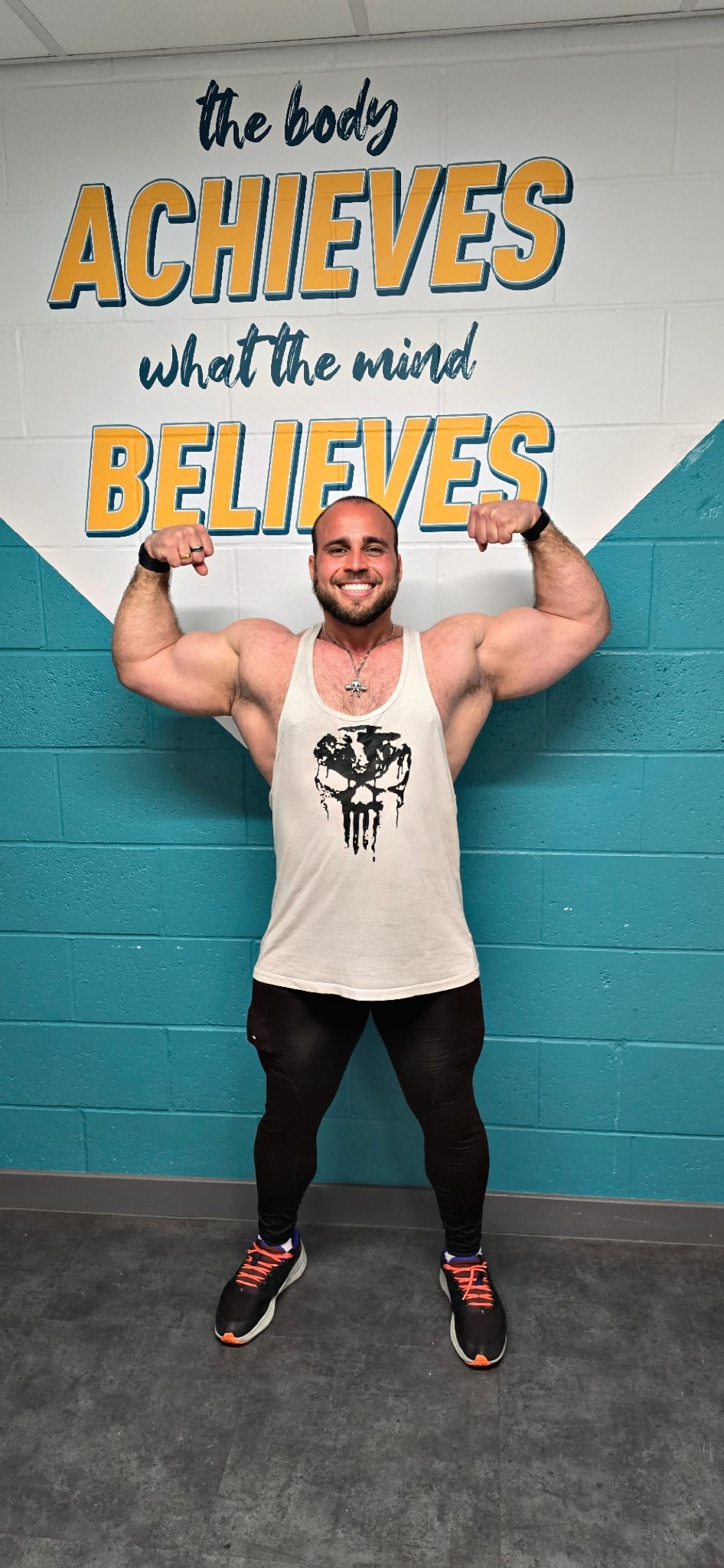
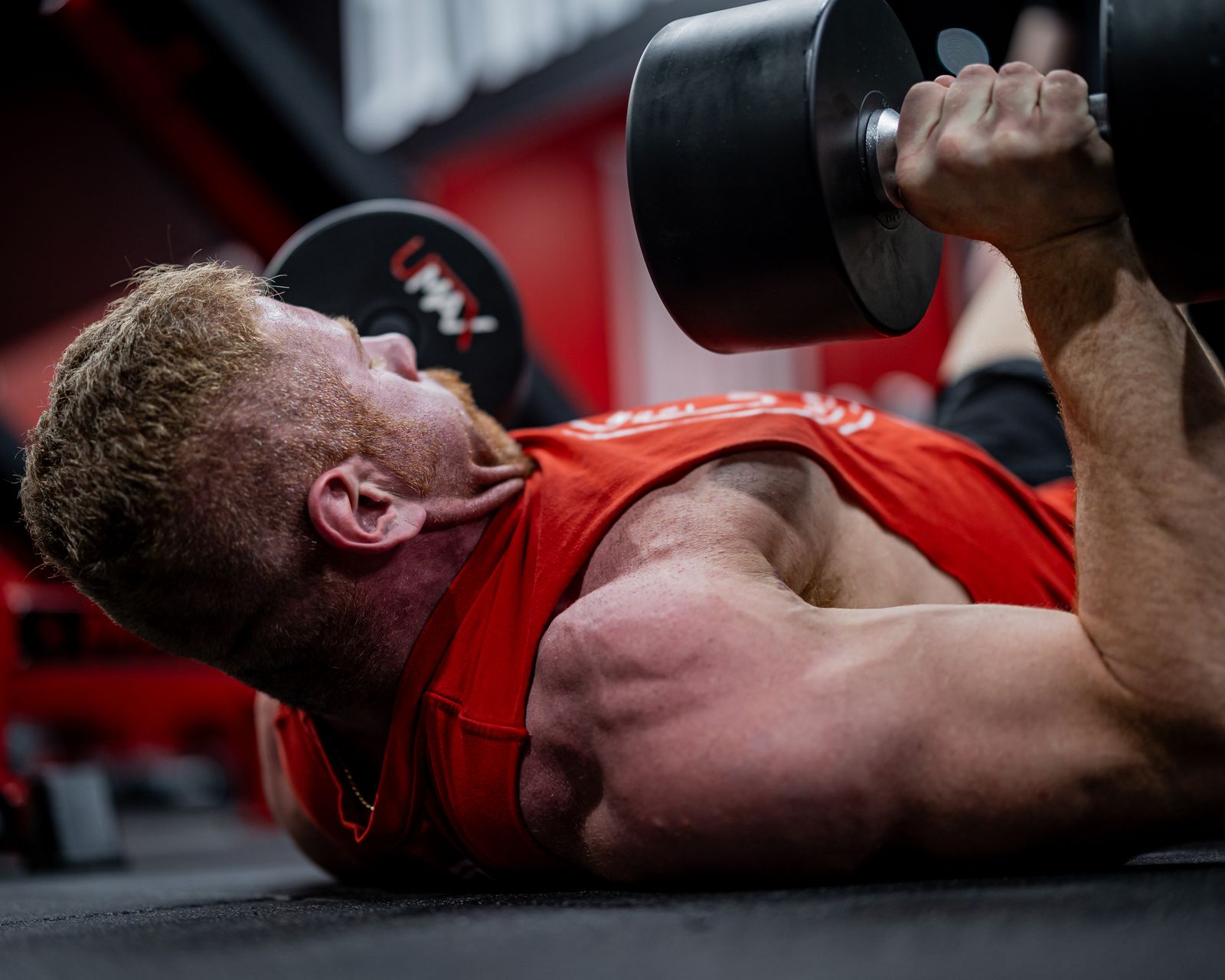
- Train muscles more than once per week
- Use a double progression system
- Eat enough, not endlessly
Training advice is built around progressive overload, stable technique, recovery, and a plan that fits real weekly schedules.
Train muscles more than once per week
Most lifters grow well when each major muscle group is trained at least twice weekly. That can be full body, upper lower, or push pull legs depending on schedule. Choose a split that lets you perform hard sets with stable technique. If a five day plan makes you miss sessions, a three or four day plan will produce better real world results.
Use a double progression system
Pick a rep range such as eight to twelve. When you can complete all sets at the top of the range with controlled form, increase load slightly and return to the lower end. This gives a clear rule for progression while protecting technique. Add sets only when you are recovering well and performance is not improving with load or reps alone.
Eat enough, not endlessly
A small calorie surplus supports muscle gain without unnecessary fat gain. Aim for steady performance increases, stable appetite, and a slow upward body weight trend if gaining size is the goal. Protein should be distributed across the day. Carbohydrates are useful around training because they support high volume work and recovery.
Recovery is part of hypertrophy
Muscle grows between sessions, not during the set. Sleep, rest days, and lower stress weeks protect performance. If joints ache, pumps disappear, and loads drop, you may need less volume, not more discipline. Plan a lighter week every four to eight weeks or whenever performance trend and fatigue show that recovery is lagging.
Track the right signals
Track exercises, sets, reps, load, body weight trend, photos, and how hard sets feel. Do not chase soreness as the main indicator. A productive muscle gain phase usually feels like consistent effort, gradual strength improvements, and a physique that changes slowly over months.
How to apply this in the next 7 days
Choose the smallest weekly schedule you can repeat for four weeks.
Track sets, reps, load, effort, and one recovery marker after each session.
Increase only one variable at a time: reps, load, sets, or session density.
Review progress every Sunday and adjust the next week before motivation becomes the plan.
Coach checklist
- Warm up the exact movement patterns you will train.
- Keep most working sets one to three reps away from technical failure.
- Stop or regress any movement that creates sharp, radiating, or worsening pain.
- Use photos, measurements, and performance logs instead of relying on feelings alone.
FAQ
How many days per week should I train?
Most people progress well with three to four focused sessions per week when the plan is consistent and recoverable.
Should I change exercises often?
Keep the main patterns stable for four to six weeks so technique and progression can be measured.
What if I miss a session?
Do the next planned session and keep the week moving. One missed workout should not become a full reset.
References
- American College of Sports Medicine. Progression models in resistance training for healthy adults. https://pubmed.ncbi.nlm.nih.gov/19204579/
- International Society of Sports Nutrition. Position stand: protein and exercise. https://jissn.biomedcentral.com/articles/10.1186/s12970-017-0177-8
- Morton RW, et al. Protein supplementation and resistance training meta-analysis. https://pubmed.ncbi.nlm.nih.gov/28698222/
- World Health Organization. Guidelines on physical activity and sedentary behaviour. https://www.who.int/publications/i/item/9789240015128