
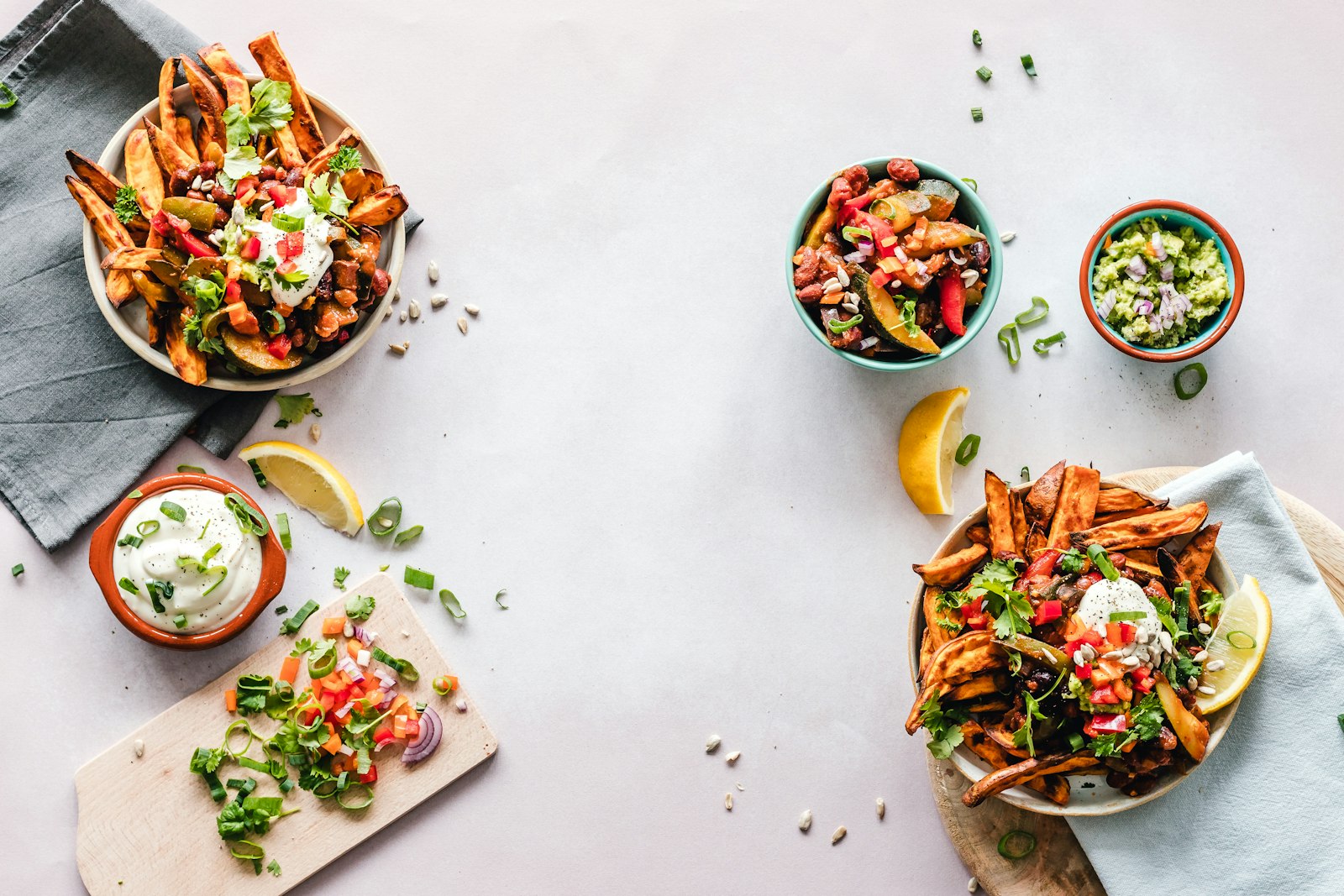
- The nutrition hierarchy
- Meal timing should fit your life
- High volume foods help hunger
Nutrition guidance prioritizes energy balance, protein, food quality, adherence, and simple systems that survive busy weeks.
The nutrition hierarchy
Start with weekly calorie balance. Then set protein high enough to support training and fullness. Then make most food choices minimally processed and high in fibre. Only after those pieces are in place should you worry about the exact timing of meals. This order matters because a perfect eating window cannot compensate for an inconsistent calorie target.
Meal timing should fit your life
Some clients prefer breakfast because it controls hunger. Others prefer a later first meal because mornings are busy. Both can work. The useful question is whether your timing helps you hit calories and protein without evening overeating. If you train hard, place a protein rich meal within a few hours before or after training and include carbohydrates around demanding sessions.
High volume foods help hunger
Vegetables, potatoes, oats, berries, soups, lean proteins, and legumes create more fullness per calorie than oils, pastries, alcohol, and snack foods. You do not need to ban enjoyable foods, but you need portions that match the goal. A flexible plan can include treats if the base diet is structured enough to keep hunger stable.
Common fat loss mistakes
The most common mistakes are underestimating oils and sauces, drinking calories, skipping protein early in the day, and reacting emotionally to one high scale reading. Another mistake is changing the plan every week. Keep one clear target for at least two weeks before judging it. Consistency gives you data; constant changes only create noise.
A useful weekly review
At the end of each week, ask four questions: Did I hit protein most days? Did I track the meals that mattered? Did my average weight move in the expected direction? Did training performance stay acceptable? The answers tell you whether to continue, adjust calories, improve meal prep, or address recovery.
How to apply this in the next 7 days
Pick two repeatable breakfasts or lunches that include protein and fibre.
Track normal intake for a few days before making aggressive changes.
Create one planned flexible meal so social life does not break the plan.
Review weekly averages instead of reacting to one scale reading.
Coach checklist
- Include a protein source at most meals.
- Use vegetables, fruit, potatoes, oats, legumes, and lean proteins to manage hunger.
- Audit oils, sauces, drinks, and snacks before cutting full meals.
- Keep nutrition changes compatible with training performance and sleep.
FAQ
Do I need to cut carbs?
No. Fat loss depends on a sustainable calorie deficit. Carbohydrates can support training when portions fit the goal.
Is meal timing important?
Timing matters less than total intake, protein, and consistency, but it should help hunger and training performance.
Should I use supplements?
Use supplements only to solve a specific gap. Food quality, calories, protein, sleep, and training come first.
References
- World Health Organization. Healthy diet fact sheet. https://www.who.int/news-room/fact-sheets/detail/healthy-diet
- International Society of Sports Nutrition. Position stand: protein and exercise. https://jissn.biomedcentral.com/articles/10.1186/s12970-017-0177-8
- Morton RW, et al. Protein supplementation and resistance training meta-analysis. https://pubmed.ncbi.nlm.nih.gov/28698222/