
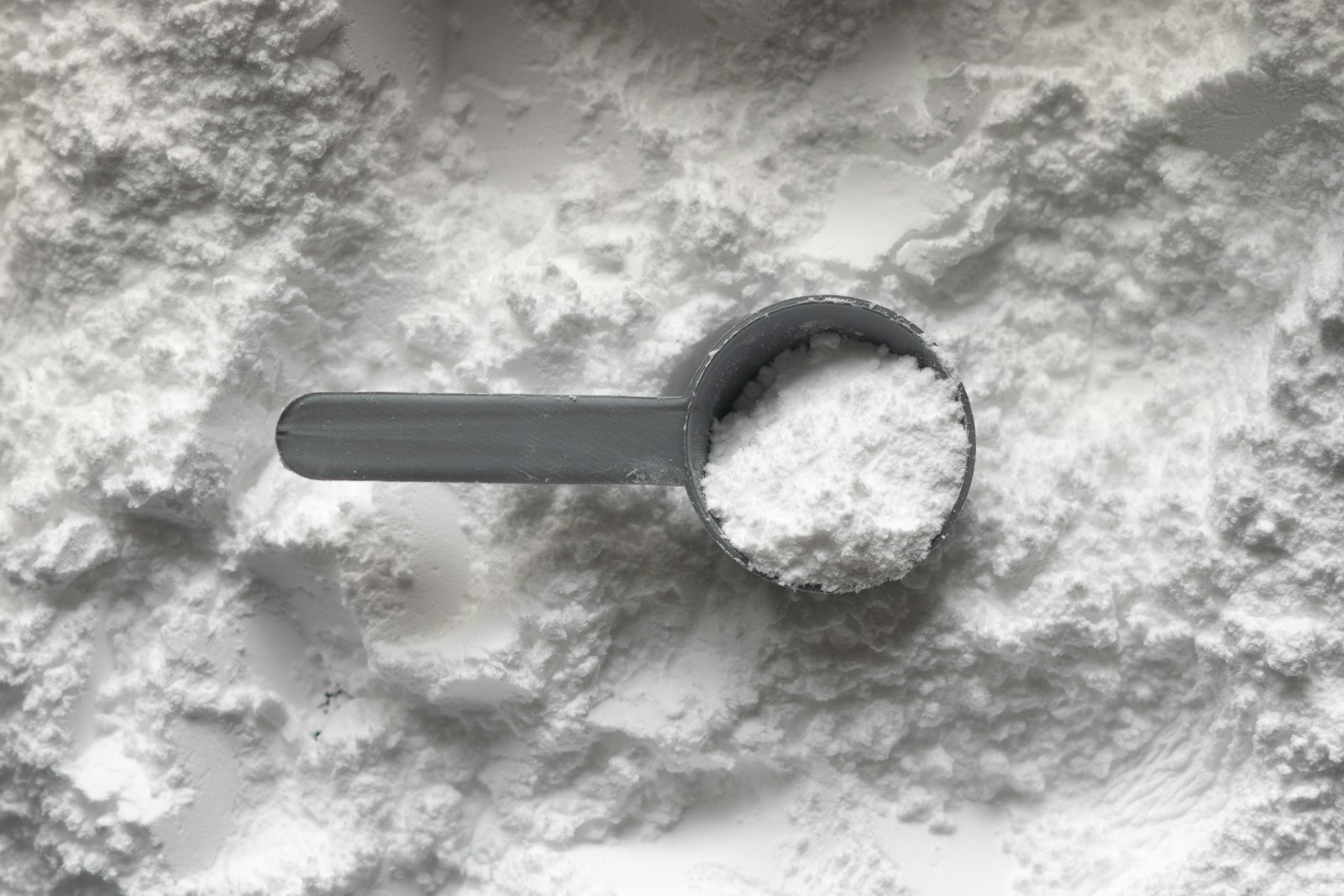
- Protein powder is convenience
- Creatine is the strongest basic option
- Caffeine is useful but easy to misuse
Nutrition guidance prioritizes energy balance, protein, food quality, adherence, and simple systems that survive busy weeks.
Protein powder is convenience
Whey, casein, soy, pea, and blended plant proteins can all help you reach daily protein targets. They do not build muscle by themselves. Use powder when whole food is inconvenient, appetite is low, or you need a portable option. If you already hit protein through meals, powder is optional.
Creatine is the strongest basic option
Creatine monohydrate is one of the most studied sports supplements. It can support high intensity performance, strength, power, and lean mass over time when paired with training. A common approach is three to five grams daily. Some people gain a little water weight inside the muscle, which is normal and not fat gain.
Caffeine is useful but easy to misuse
Caffeine can improve alertness and training output, but timing and tolerance matter. Use it before sessions that need focus, avoid it late in the day, and do not use it to cover chronic sleep debt. If caffeine worsens anxiety, digestion, blood pressure, or sleep, the tradeoff may not be worth it.
Be skeptical of fat burners
Most fat burners rely on stimulants, exaggerated claims, or tiny effects that do not outperform a consistent calorie deficit. If a product promises rapid fat loss without changes to food or activity, treat it as marketing. Spend money first on food quality, coaching, a gym membership, or equipment you will actually use.
Safety and quality checks
Check medication interactions, pregnancy status, medical conditions, and sport drug testing requirements before using supplements. Choose third party tested products where possible, avoid proprietary blends with unclear doses, and stop anything that causes unusual symptoms. Supplements should make the plan easier, not riskier.
How to apply this in the next 7 days
Pick two repeatable breakfasts or lunches that include protein and fibre.
Track normal intake for a few days before making aggressive changes.
Create one planned flexible meal so social life does not break the plan.
Review weekly averages instead of reacting to one scale reading.
Coach checklist
- Include a protein source at most meals.
- Use vegetables, fruit, potatoes, oats, legumes, and lean proteins to manage hunger.
- Audit oils, sauces, drinks, and snacks before cutting full meals.
- Keep nutrition changes compatible with training performance and sleep.
FAQ
Do I need to cut carbs?
No. Fat loss depends on a sustainable calorie deficit. Carbohydrates can support training when portions fit the goal.
Is meal timing important?
Timing matters less than total intake, protein, and consistency, but it should help hunger and training performance.
Should I use supplements?
Use supplements only to solve a specific gap. Food quality, calories, protein, sleep, and training come first.
References
- International Society of Sports Nutrition. Position stand: creatine supplementation and exercise. https://jissn.biomedcentral.com/articles/10.1186/s12970-017-0173-z
- International Society of Sports Nutrition. Position stand: protein and exercise. https://jissn.biomedcentral.com/articles/10.1186/s12970-017-0177-8
- World Health Organization. Healthy diet fact sheet. https://www.who.int/news-room/fact-sheets/detail/healthy-diet