
- Build the deficit without extremes
- Protein protects the plan
- Design meals for adherence
Nutrition guidance prioritizes energy balance, protein, food quality, adherence, and simple systems that survive busy weeks.
Build the deficit without extremes
A calorie deficit is required for fat loss, but bigger is not always better. A moderate reduction that still allows training performance, sleep, and normal mood is usually more sustainable than aggressive restriction. Start by tracking normal intake for one to two weeks, then reduce by a small amount. Watch the weekly weight trend, waist measurement, energy, and training performance before changing anything else.
Protein protects the plan
Protein helps with satiety and supports lean mass retention during dieting, especially when paired with resistance training. A useful starting target is a protein serving at each meal, then adjust total intake by body size, preference, and training load. Lean meat, fish, eggs, dairy, tofu, tempeh, legumes, and protein powders can all work. The best protein source is the one you can repeat consistently.
Design meals for adherence
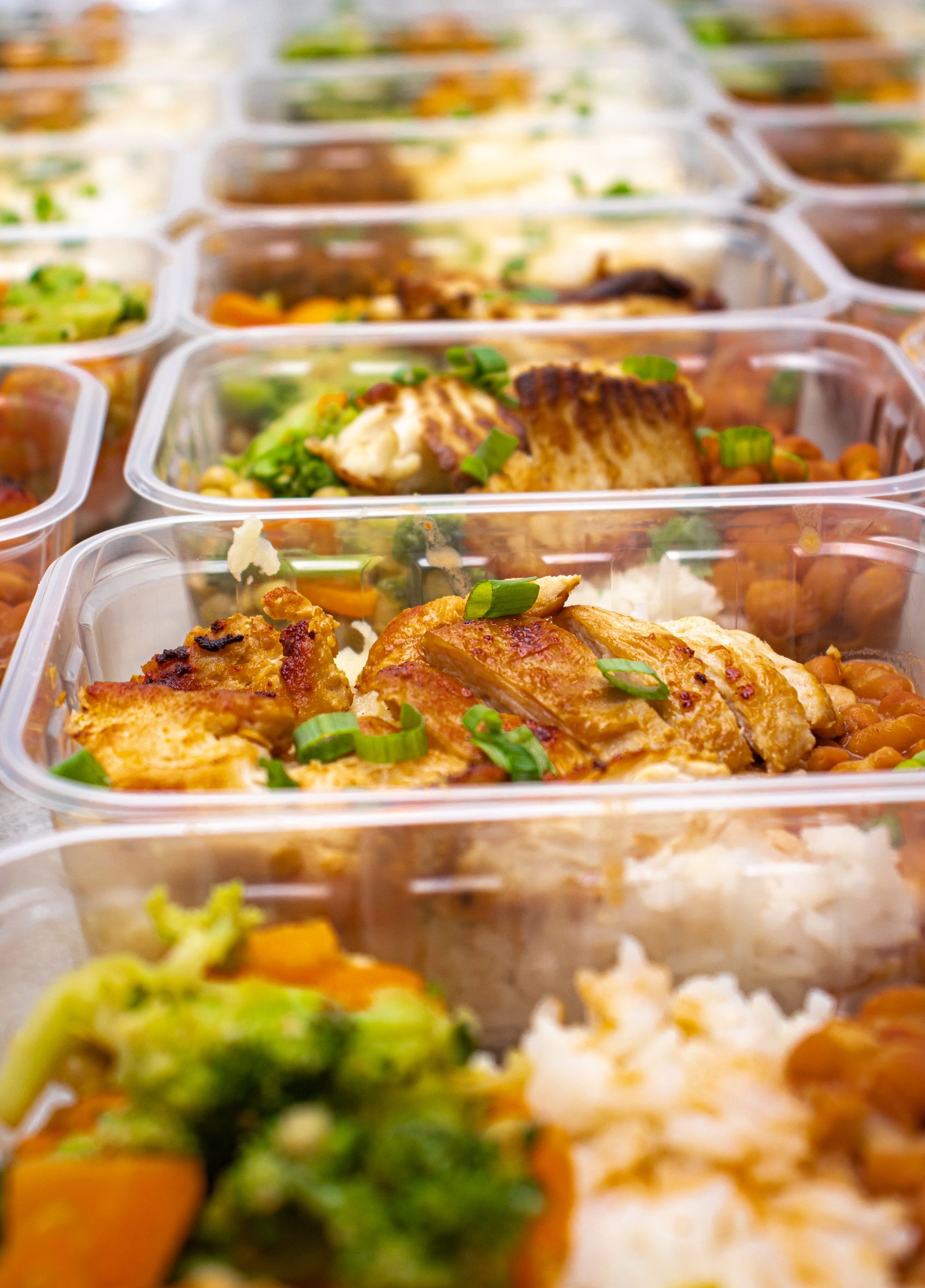
Each meal should solve hunger, convenience, and nutrition at the same time. Use a simple plate structure: protein, high fibre carbohydrate or fruit, vegetables, and a measured fat source. Most people do better with repeated meals during the week and flexible meals at the weekend. Planning is not about perfection; it reduces decision fatigue so the calorie target does not rely on willpower.
Do not ignore the environment
Your food environment can make the same goal easy or difficult. Keep high protein options visible, prepare two reliable lunches, and avoid storing trigger foods in large portions. If you eat out, decide the protein first and build around it. If progress stalls, audit liquid calories, sauces, oils, snacks, and weekend portions before cutting more from normal meals.
How to measure progress
Use a seven day average body weight, waist measurement, progress photos, and gym performance. One scale reading is not a verdict because water, sodium, menstrual cycle, digestion, and sleep can move weight quickly. If the four week trend is flat and adherence is honest, reduce calories slightly or increase low intensity activity.
How to apply this in the next 7 days
Pick two repeatable breakfasts or lunches that include protein and fibre.
Track normal intake for a few days before making aggressive changes.
Create one planned flexible meal so social life does not break the plan.
Review weekly averages instead of reacting to one scale reading.
Coach checklist
- Include a protein source at most meals.
- Use vegetables, fruit, potatoes, oats, legumes, and lean proteins to manage hunger.
- Audit oils, sauces, drinks, and snacks before cutting full meals.
- Keep nutrition changes compatible with training performance and sleep.
FAQ
Do I need to cut carbs?
No. Fat loss depends on a sustainable calorie deficit. Carbohydrates can support training when portions fit the goal.
Is meal timing important?
Timing matters less than total intake, protein, and consistency, but it should help hunger and training performance.
Should I use supplements?
Use supplements only to solve a specific gap. Food quality, calories, protein, sleep, and training come first.
References
- World Health Organization. Healthy diet fact sheet. https://www.who.int/news-room/fact-sheets/detail/healthy-diet
- International Society of Sports Nutrition. Position stand: protein and exercise. https://jissn.biomedcentral.com/articles/10.1186/s12970-017-0177-8
- Morton RW, et al. Protein supplementation and resistance training meta-analysis. https://pubmed.ncbi.nlm.nih.gov/28698222/
- World Health Organization. Guidelines on physical activity and sedentary behaviour. https://www.who.int/publications/i/item/9789240015128