
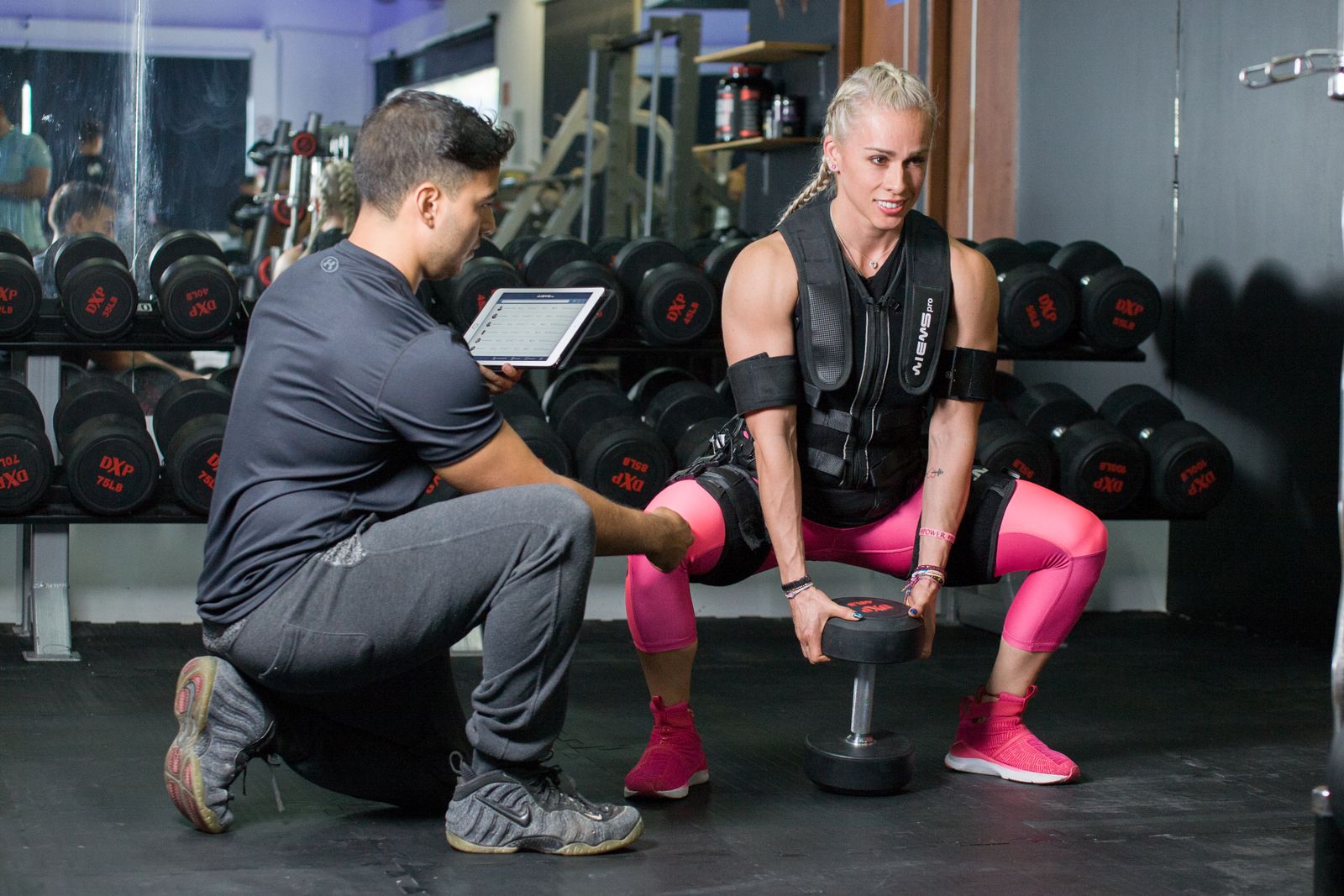
- Mistake 1: testing instead of training
- Mistake 2: changing exercises too often
- Mistake 3: skipping warm ups
Training advice is built around progressive overload, stable technique, recovery, and a plan that fits real weekly schedules.
Mistake 1: testing instead of training
Beginners often turn every set into a max effort. Hard work matters, but constant testing makes technique unstable and recovery unpredictable. Keep most sets one to three reps short of failure while learning. Save true max efforts for later phases when movement quality and training history are stronger.
Mistake 2: changing exercises too often
Variety feels exciting, but too much variety prevents skill and progression. Keep main lifts stable for at least four to six weeks. You can rotate accessory work, but the core patterns need enough repetition for your body to learn and for your logbook to show whether you are actually improving.
Mistake 3: skipping warm ups
A warm up does not need to be long, but it should prepare the session. Raise temperature, move the joints you will train, and use lighter practice sets. Walking into a heavy lift cold is unnecessary risk. A good warm up also gives you feedback about soreness, mobility, and readiness.
Mistake 4: ignoring recovery
Training breaks tissue down and signals adaptation. Recovery allows the adaptation. If sleep is poor, protein is low, and stress is high, adding more volume may make results worse. Beginners grow from moderate work done consistently, not from copying advanced routines built for different recovery capacity.
Mistake 5: having no measurable target
A vague goal like get fit is hard to execute. Set measurable targets such as three sessions per week, eight thousand steps, protein at three meals, or adding five reps across a lift in a month. Clear targets make decisions easier and coaching feedback more useful.
How to apply this in the next 7 days
Choose the smallest weekly schedule you can repeat for four weeks.
Track sets, reps, load, effort, and one recovery marker after each session.
Increase only one variable at a time: reps, load, sets, or session density.
Review progress every Sunday and adjust the next week before motivation becomes the plan.
Coach checklist
- Warm up the exact movement patterns you will train.
- Keep most working sets one to three reps away from technical failure.
- Stop or regress any movement that creates sharp, radiating, or worsening pain.
- Use photos, measurements, and performance logs instead of relying on feelings alone.
FAQ
How many days per week should I train?
Most people progress well with three to four focused sessions per week when the plan is consistent and recoverable.
Should I change exercises often?
Keep the main patterns stable for four to six weeks so technique and progression can be measured.
What if I miss a session?
Do the next planned session and keep the week moving. One missed workout should not become a full reset.
References
- American College of Sports Medicine. Progression models in resistance training for healthy adults. https://pubmed.ncbi.nlm.nih.gov/19204579/
- World Health Organization. Guidelines on physical activity and sedentary behaviour. https://www.who.int/publications/i/item/9789240015128
- International Society of Sports Nutrition. Position stand: protein and exercise. https://jissn.biomedcentral.com/articles/10.1186/s12970-017-0177-8