- Lift with intent
- Include bone-loading patterns
- Protein becomes non-negotiable
Training advice is built around progressive overload, stable technique, recovery, and a plan that fits real weekly schedules.
Lift with intent
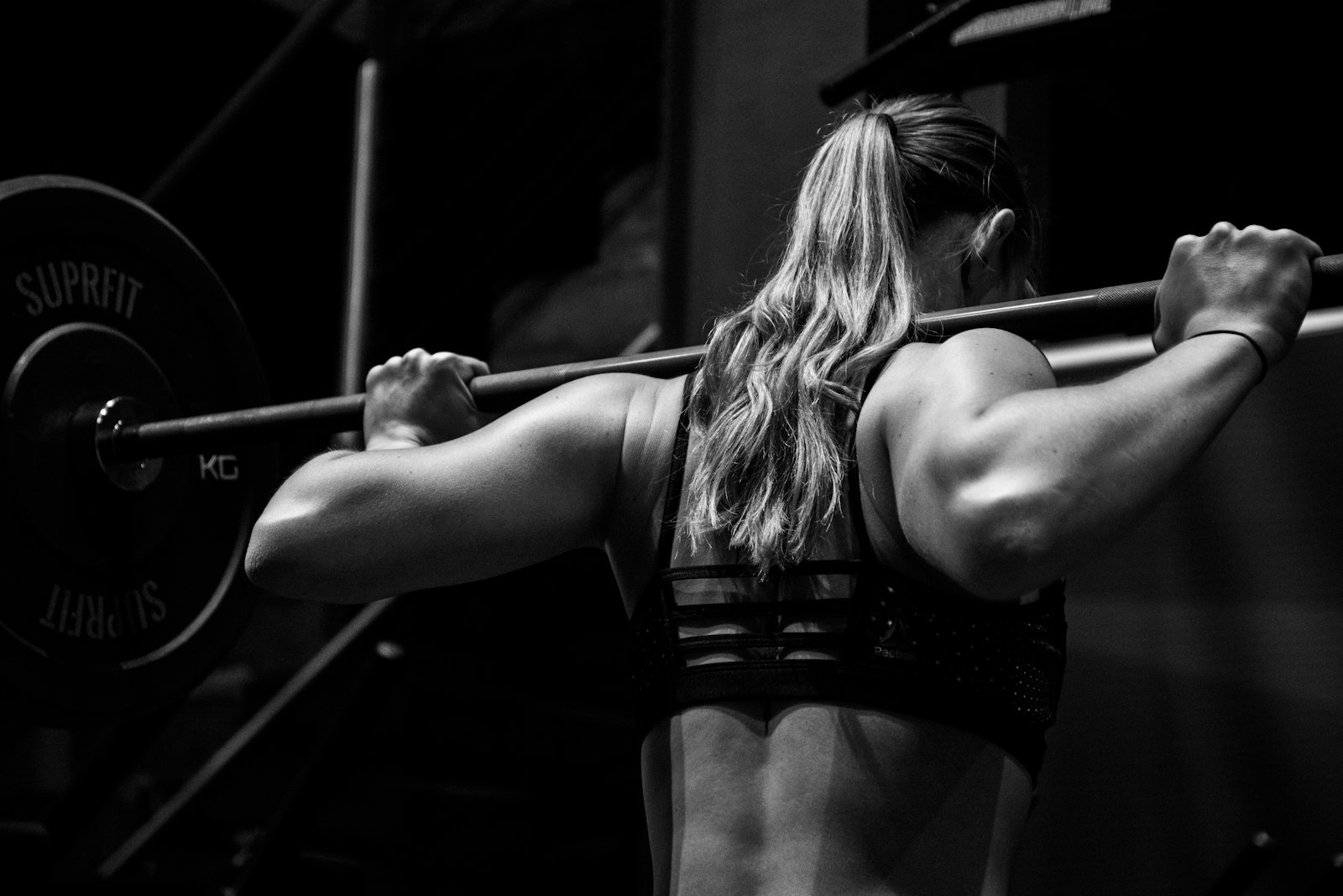
Resistance training should be challenging enough to maintain or build muscle. Machines, dumbbells, cables, kettlebells, and barbells can all work. The exercise choice should fit joints, confidence, and access. The effort still needs to be real.
Include bone-loading patterns
Squats, hinges, carries, step-ups, and impact as tolerated can support bone and physical capacity. The right level depends on history and symptoms. Start where movement feels safe, then progress gradually.
Protein becomes non-negotiable
Consistent protein supports muscle retention, recovery, and satiety. Many women under-eat protein while trying to control weight. Build meals around protein first, then adjust calories based on the goal.
Respect recovery and sleep
Hot flushes, stress, and sleep disruption can reduce training tolerance. This does not mean avoiding hard work; it means adjusting volume during poor recovery periods. A sustainable plan flexes without disappearing.
Measure strength and function
Track lifts, energy, waist, photos, sleep, symptoms, and daily confidence. Scale weight alone can be misleading. The goal is a body that feels capable, strong, and resilient.
How to apply this in the next 7 days
Choose the smallest weekly schedule you can repeat for four weeks.
Track sets, reps, load, effort, and one recovery marker after each session.
Increase only one variable at a time: reps, load, sets, or session density.
Review progress every Sunday and adjust the next week before motivation becomes the plan.
Coach checklist
- Warm up the exact movement patterns you will train.
- Keep most working sets one to three reps away from technical failure.
- Stop or regress any movement that creates sharp, radiating, or worsening pain.
- Use photos, measurements, and performance logs instead of relying on feelings alone.
FAQ
How many days per week should I train?
Most people progress well with three to four focused sessions per week when the plan is consistent and recoverable.
Should I change exercises often?
Keep the main patterns stable for four to six weeks so technique and progression can be measured.
What if I miss a session?
Do the next planned session and keep the week moving. One missed workout should not become a full reset.
References
- World Health Organization. Guidelines on physical activity and sedentary behaviour. https://www.who.int/publications/i/item/9789240015128
- International Society of Sports Nutrition. Position stand: protein and exercise. https://jissn.biomedcentral.com/articles/10.1186/s12970-017-0177-8
- ACOG. Physical activity and exercise during pregnancy and the postpartum period. https://www.acog.org/clinical/clinical-guidance/committee-opinion/articles/2020/04/physical-activity-and-exercise-during-pregnancy-and-the-postpartum-period
- American College of Sports Medicine. Progression models in resistance training for healthy adults. https://pubmed.ncbi.nlm.nih.gov/19204579/