- Train the same patterns
- Use cycle awareness without fear
- Pregnancy and postpartum need qualified guidance
Training advice is built around progressive overload, stable technique, recovery, and a plan that fits real weekly schedules.
Train the same patterns
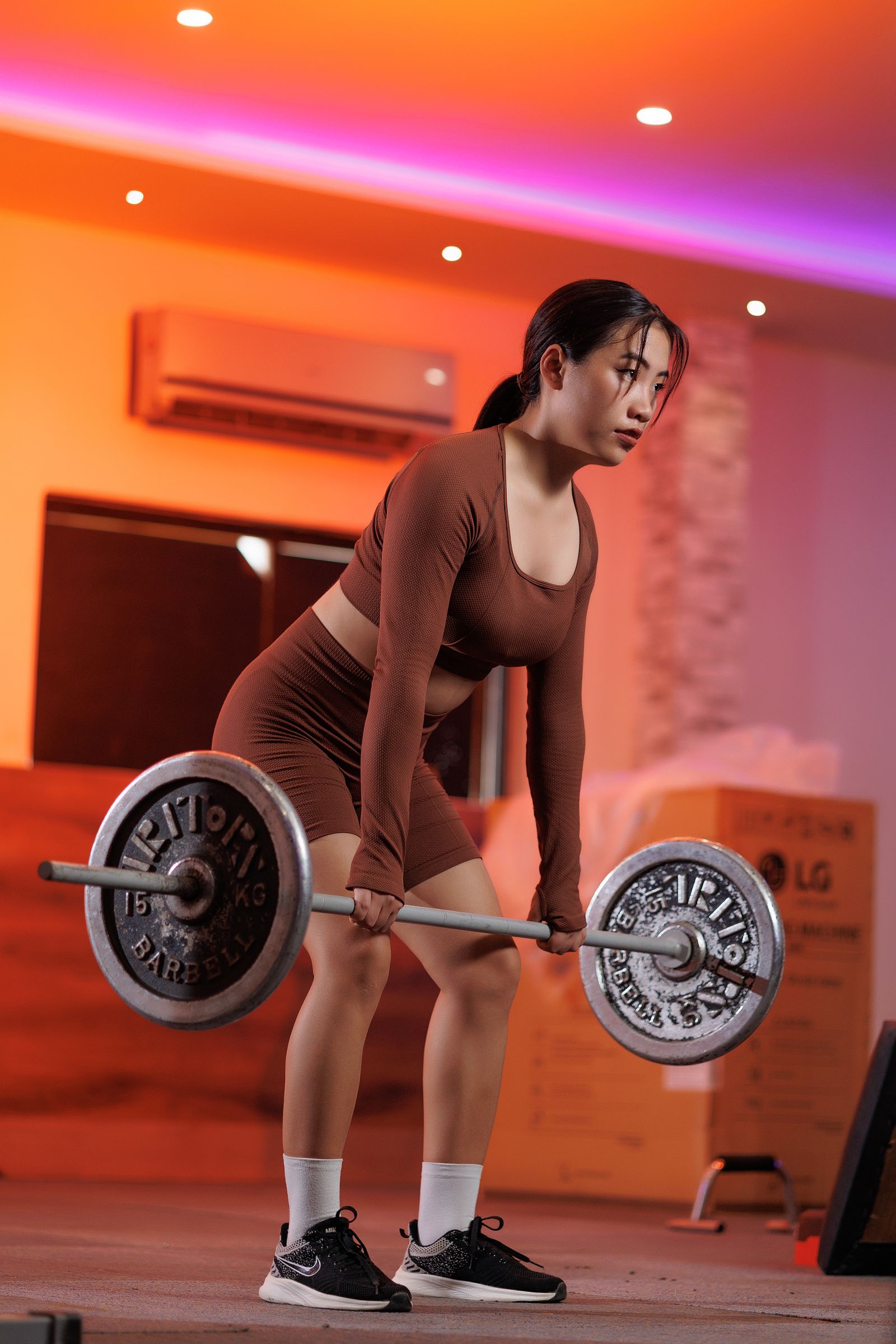
Squat, hinge, push, pull, carry, rotate, and brace. These patterns build strength for sport, physique, bone health, and daily life. The exercises can be adapted to comfort and goals, but the principle is the same: gradually challenge muscles through quality range of motion and recover from the work.
Use cycle awareness without fear
Some women feel strongest at certain points in the menstrual cycle and more fatigued, sore, or symptomatic at others. Use this information to adjust expectations, not to limit progress. If performance is high, push. If cramps, poor sleep, or low energy are present, keep the habit and reduce volume or intensity. Individual response matters more than generic cycle rules.
Pregnancy and postpartum need qualified guidance
Many pregnant and postpartum clients can benefit from activity, but programming should be individualized and cleared when appropriate. Prioritize breathing, pelvic floor awareness, pressure management, walking, and strength work that feels stable. Avoid comparing timelines. Return to heavy lifting should be gradual and symptom led.
Menopause changes priorities
During perimenopause and menopause, strength training, protein, impact as tolerated, sleep, and stress management become especially valuable. Muscle and bone are use it or lose it tissues. Training should include challenging resistance work, but recovery may need more attention when sleep and temperature regulation are disrupted.
Measure more than scale weight
Track strength, measurements, energy, cycle symptoms, sleep, photos, and confidence. Scale weight can be affected by water shifts, digestion, and cycle phase. A good plan helps women feel capable and informed, not punished by normal biological variation.
How to apply this in the next 7 days
Choose the smallest weekly schedule you can repeat for four weeks.
Track sets, reps, load, effort, and one recovery marker after each session.
Increase only one variable at a time: reps, load, sets, or session density.
Review progress every Sunday and adjust the next week before motivation becomes the plan.
Coach checklist
- Warm up the exact movement patterns you will train.
- Keep most working sets one to three reps away from technical failure.
- Stop or regress any movement that creates sharp, radiating, or worsening pain.
- Use photos, measurements, and performance logs instead of relying on feelings alone.
FAQ
How many days per week should I train?
Most people progress well with three to four focused sessions per week when the plan is consistent and recoverable.
Should I change exercises often?
Keep the main patterns stable for four to six weeks so technique and progression can be measured.
What if I miss a session?
Do the next planned session and keep the week moving. One missed workout should not become a full reset.
References
- ACOG. Physical activity and exercise during pregnancy and the postpartum period. https://www.acog.org/clinical/clinical-guidance/committee-opinion/articles/2020/04/physical-activity-and-exercise-during-pregnancy-and-the-postpartum-period
- World Health Organization. Guidelines on physical activity and sedentary behaviour. https://www.who.int/publications/i/item/9789240015128
- International Society of Sports Nutrition. Position stand: protein and exercise. https://jissn.biomedcentral.com/articles/10.1186/s12970-017-0177-8
- American College of Sports Medicine. Progression models in resistance training for healthy adults. https://pubmed.ncbi.nlm.nih.gov/19204579/