
- Prep components, not prison meals
- Set a protein anchor
- Control portions with containers
Nutrition guidance prioritizes energy balance, protein, food quality, adherence, and simple systems that survive busy weeks.
Prep components, not prison meals
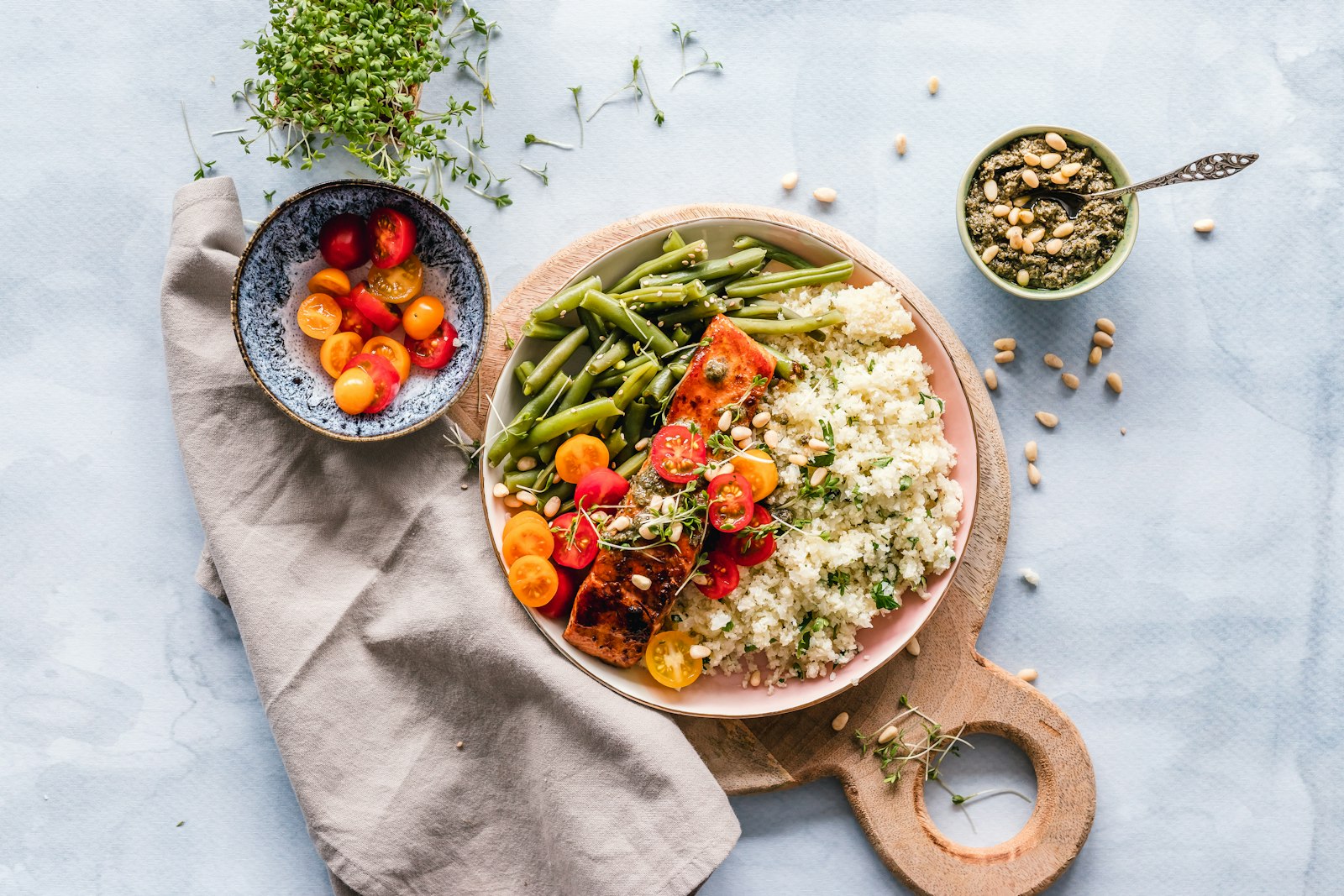
Cook two proteins, two carbohydrates, and two vegetables, then mix them with different sauces or seasonings. This keeps structure without monotony. For example, chicken and tofu, rice and potatoes, broccoli and peppers can become several meals without starting from zero each time.
Set a protein anchor
Decide the protein first for each meal. Once the anchor is clear, calories and food quality become easier to manage. Greek yogurt, eggs, lean meat, fish, legumes, tofu, cottage cheese, protein powder, and tempeh all work. The best choices are the ones you can repeat.
Control portions with containers
Containers help remove guesswork. You do not need perfection, but you do need consistency. If fat loss is the goal, measure calorie-dense ingredients like oils, nuts, cheese, and sauces. If muscle gain is the goal, add carbohydrates around training and keep protein steady.
Plan for the danger meals
Most people do not fail because every meal is chaotic. They fail at the same two or three moments: lunch at work, evening snacks, or weekends. Prep for those first. A reliable lunch and a high-protein evening option can change the whole week.
Keep food enjoyable
Seasoning, texture, and variety matter. Use herbs, citrus, spices, salsa, yogurt-based sauces, pickled vegetables, and different cooking methods. Enjoyable food improves adherence, and adherence beats the theoretically perfect plan that nobody wants to eat.
How to apply this in the next 7 days
Pick two repeatable breakfasts or lunches that include protein and fibre.
Track normal intake for a few days before making aggressive changes.
Create one planned flexible meal so social life does not break the plan.
Review weekly averages instead of reacting to one scale reading.
Coach checklist
- Include a protein source at most meals.
- Use vegetables, fruit, potatoes, oats, legumes, and lean proteins to manage hunger.
- Audit oils, sauces, drinks, and snacks before cutting full meals.
- Keep nutrition changes compatible with training performance and sleep.
FAQ
Do I need to cut carbs?
No. Fat loss depends on a sustainable calorie deficit. Carbohydrates can support training when portions fit the goal.
Is meal timing important?
Timing matters less than total intake, protein, and consistency, but it should help hunger and training performance.
Should I use supplements?
Use supplements only to solve a specific gap. Food quality, calories, protein, sleep, and training come first.
References
- International Society of Sports Nutrition. Position stand: protein and exercise. https://jissn.biomedcentral.com/articles/10.1186/s12970-017-0177-8
- Morton RW, et al. Protein supplementation and resistance training meta-analysis. https://pubmed.ncbi.nlm.nih.gov/28698222/
- World Health Organization. Healthy diet fact sheet. https://www.who.int/news-room/fact-sheets/detail/healthy-diet