- Hit total protein first
- Use complementary foods
- Eat enough calories
Nutrition guidance prioritizes energy balance, protein, food quality, adherence, and simple systems that survive busy weeks.
Hit total protein first
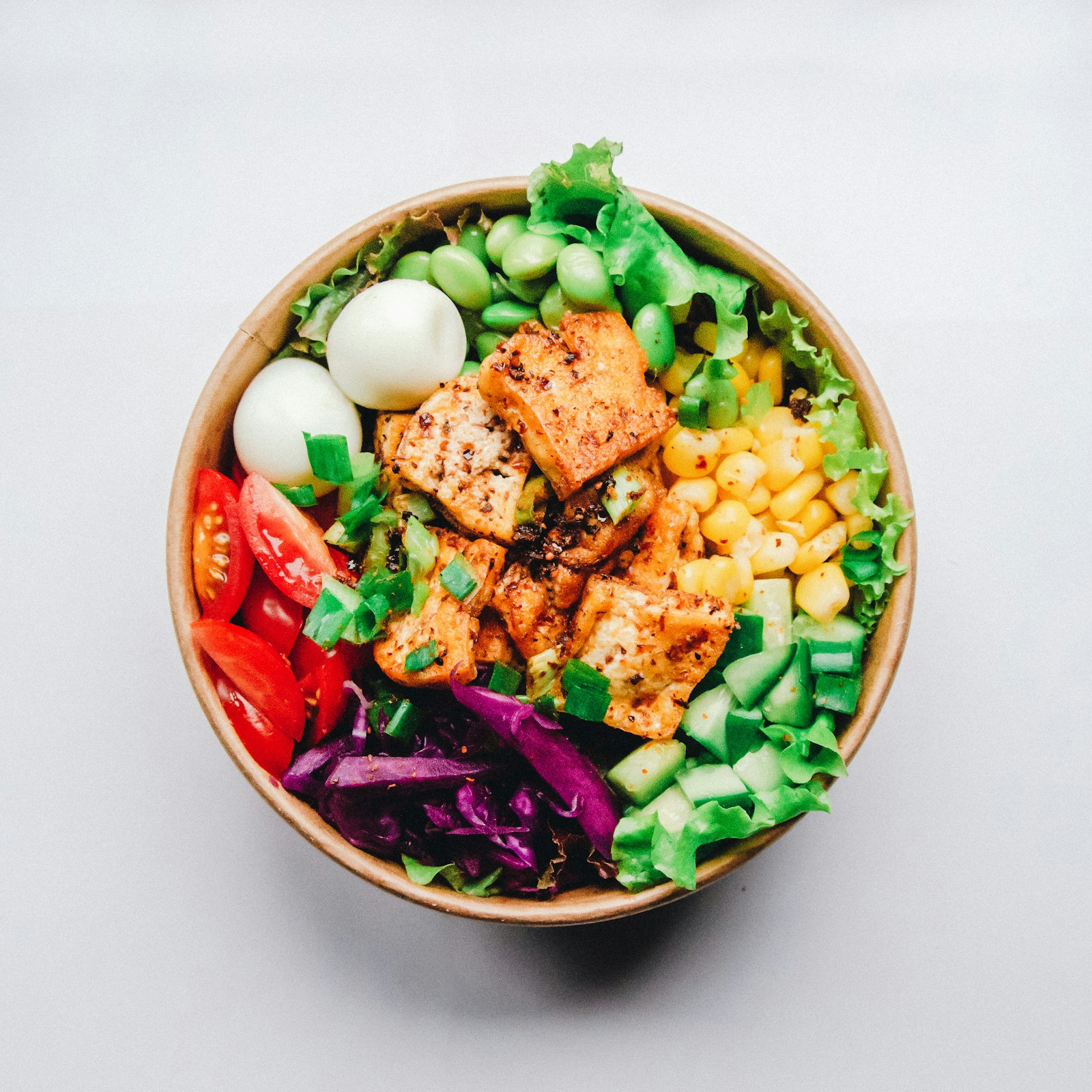
Vegetarian clients should build meals around protein sources: Greek yogurt, eggs if included, cottage cheese, tofu, tempeh, seitan, lentils, beans, soy milk, edamame, and protein powder. Do not rely on small incidental protein from grains alone if muscle gain is the goal.
Use complementary foods
Different plant proteins have different amino acid profiles. Variety across the day helps. Soy foods are especially useful because they are protein-dense. Combining legumes, grains, dairy, eggs, or protein powder makes targets easier without overloading one food.
Eat enough calories
High-fibre diets can be filling, which is helpful for health but sometimes challenging for muscle gain. Add calorie-dense foods such as olive oil, avocado, nuts, dried fruit, granola, rice, pasta, and smoothies when body weight and performance are not moving.
Support hard training
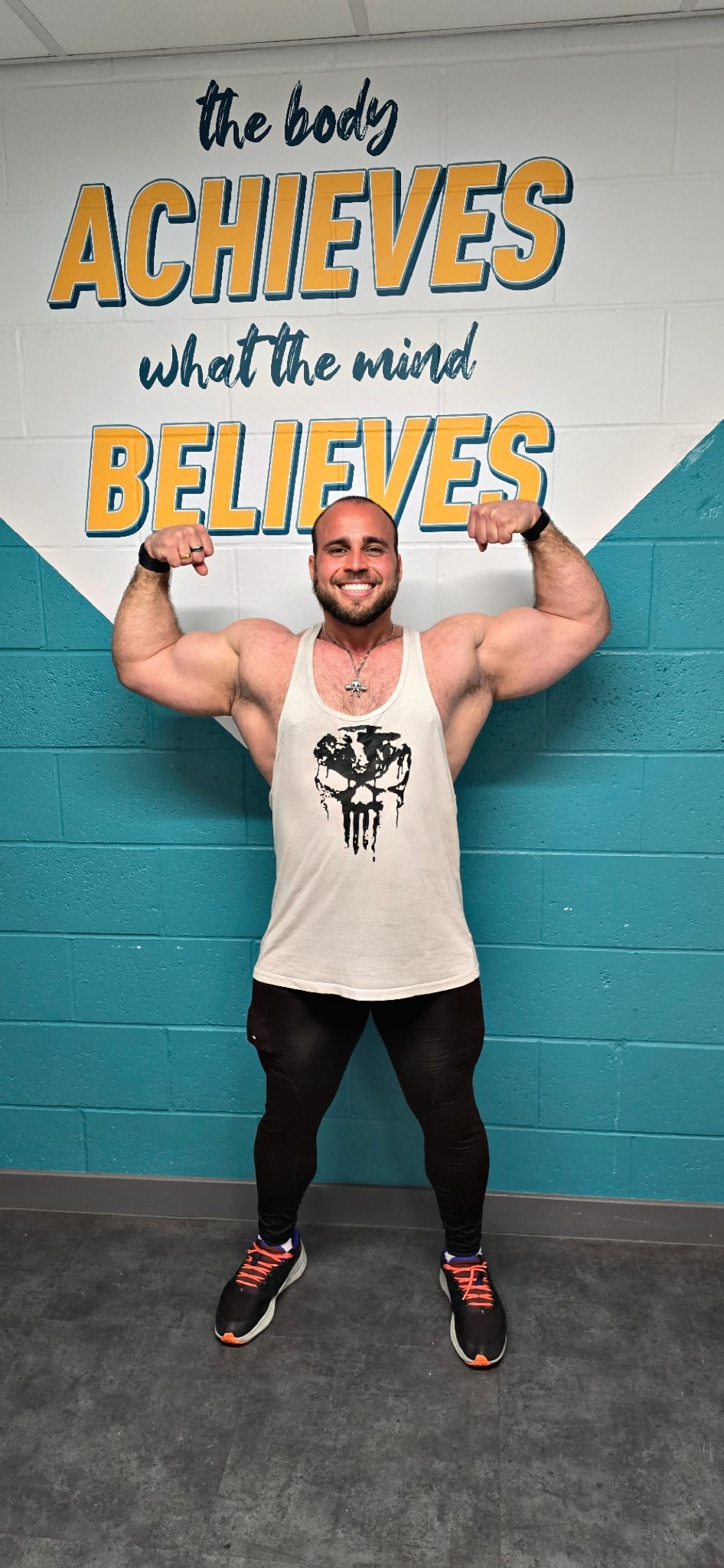
Muscle gain still requires progressive overload. Track lifts, sets, reps, and body weight trend. If training performance is flat and soreness is high, review sleep and total calories before blaming vegetarian eating.
Consider practical supplements
Creatine monohydrate and protein powder can be useful for vegetarian lifters. B12, vitamin D, iron, omega-3, and iodine may also matter depending on food choices and bloodwork. Supplement decisions should match individual needs, not marketing.
How to apply this in the next 7 days
Pick two repeatable breakfasts or lunches that include protein and fibre.
Track normal intake for a few days before making aggressive changes.
Create one planned flexible meal so social life does not break the plan.
Review weekly averages instead of reacting to one scale reading.
Coach checklist
- Include a protein source at most meals.
- Use vegetables, fruit, potatoes, oats, legumes, and lean proteins to manage hunger.
- Audit oils, sauces, drinks, and snacks before cutting full meals.
- Keep nutrition changes compatible with training performance and sleep.
FAQ
Do I need to cut carbs?
No. Fat loss depends on a sustainable calorie deficit. Carbohydrates can support training when portions fit the goal.
Is meal timing important?
Timing matters less than total intake, protein, and consistency, but it should help hunger and training performance.
Should I use supplements?
Use supplements only to solve a specific gap. Food quality, calories, protein, sleep, and training come first.
References
- International Society of Sports Nutrition. Position stand: protein and exercise. https://jissn.biomedcentral.com/articles/10.1186/s12970-017-0177-8
- Morton RW, et al. Protein supplementation and resistance training meta-analysis. https://pubmed.ncbi.nlm.nih.gov/28698222/
- International Society of Sports Nutrition. Position stand: creatine supplementation and exercise. https://jissn.biomedcentral.com/articles/10.1186/s12970-017-0173-z
- World Health Organization. Healthy diet fact sheet. https://www.who.int/news-room/fact-sheets/detail/healthy-diet